Welcome: Hubei Kaili Special Automobile Co., Ltd.
Language:
∷


A bulk dump truck is a specialized engineering vehicle designed for transporting and unloading loose bulk materials. It is widely used in construction sites, mining operations, quarries, and infrastructure projects. The vehicle can carry sand, gravel, soil, construction debris, coal, and ore across short to medium distances.
The bulk dump truck features a heavy-duty steel dump body, a multi-stage hydraulic lifting system, and a reinforced truck chassis. These core components work together to load, transport, and discharge materials with high efficiency and minimal manual effort.
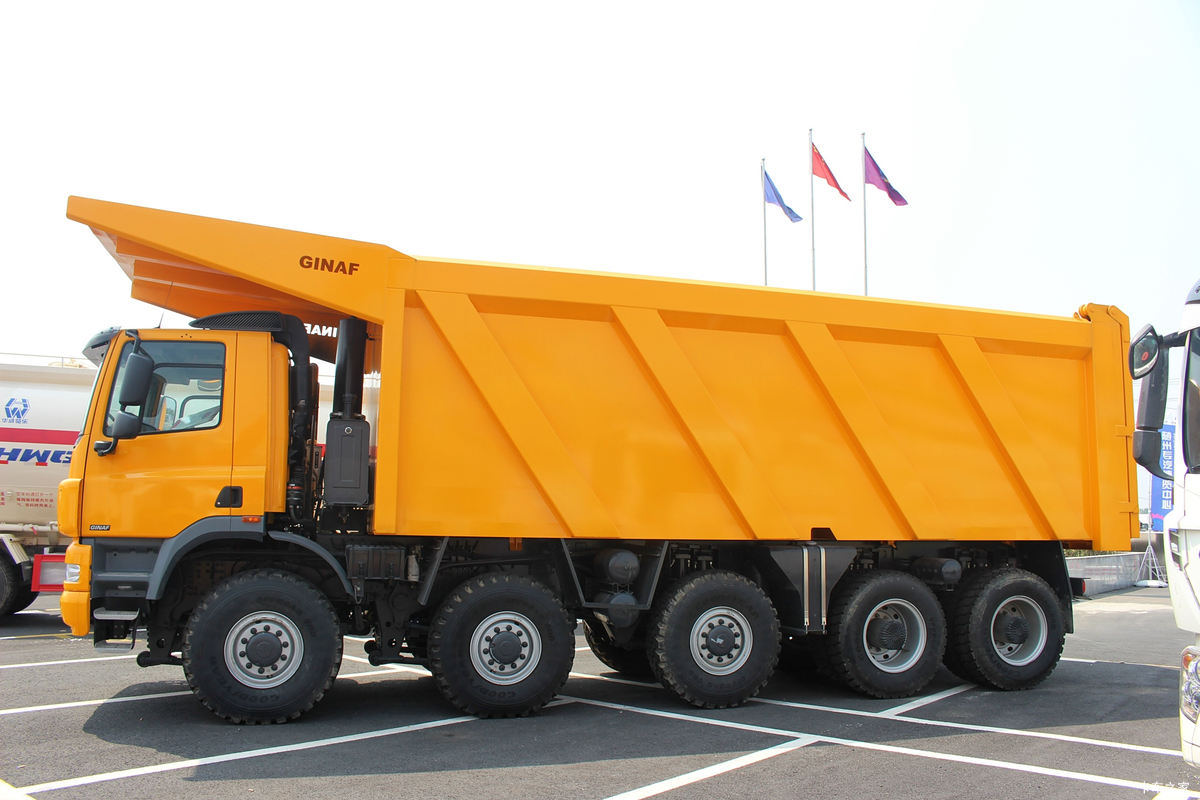
The working principle of a bulk dump truck relies on a hydraulic lifting system to tilt the dump body and release materials through gravity. The entire process involves four main stages:
1. Loading Phase
Materials are loaded into the dump body using excavators, wheel loaders, or conveyor belts. The dump body is built with high-strength steel plates to withstand heavy loads and impact. The tailgate can be opened or closed depending on the material type. For dry materials like sand and gravel, a rear-discharge tailgate is common. For sticky materials, a bottom-discharge design may be used.
2. Transport Phase
Once loaded, the dump truck drives to the destination. The truck chassis is reinforced with heavy-duty leaf spring suspension to absorb road impact. The dump body is secured in a horizontal position during transport to prevent material spillage.
3. Unloading Phase
When the truck reaches the unloading site, the driver activates the hydraulic control valve. The power take-off (PTO) unit draws power from the truck engine and drives the hydraulic pump. Pressurized oil flows into the hydraulic cylinder, pushing the piston rod upward. The cylinder lifts the front end of the dump body, causing it to tilt backward. As the tilt angle increases, gravity causes the material to slide out through the open tailgate.
The typical dumping angle ranges from 45 to 60 degrees, depending on the material type and body design. Once the material is fully discharged, the driver releases the control valve, and the dump body lowers back to the horizontal position under its own weight.
4. Return Phase
After unloading, the dump truck returns to the loading site for the next cycle. The entire process from loading to dumping can be completed in 15 to 30 minutes for short-distance operations.
| Component | Function | Material |
|---|---|---|
| Dump Body | Carries and discharges bulk materials | High-strength carbon steel |
| Hydraulic Cylinder | Lifts the dump body for unloading | Chrome-plated steel |
| Hydraulic Pump | Generates oil pressure for lifting | Cast iron alloy |
| PTO Unit | Transfers engine power to hydraulic pump | Hardened steel gears |
| Control Valve | Regulates hydraulic flow and direction | Brass or aluminum |
| Truck Chassis | Supports the entire vehicle structure | Reinforced steel frame |
| Tailgate | Opens and closes the discharge end | Steel plate with hinges |
| Suspension System | Absorbs road shock during transport | Leaf spring or air bag |
By Dumping Direction
Rear Dump Trucks: The most common type. The dump body tilts backward, and material exits through the rear tailgate. Suitable for most construction and mining applications.
Side Dump Trucks: The dump body tilts to the left or right side. Useful for working beside trenches or barriers where rear access is limited. These trucks unload faster but have a higher risk of tipping on uneven ground.
Bottom Dump Trucks: The material discharges through gates on the bottom of the dump body. Ideal for spreading gravel or aggregate along a road during transport.
1. Material Type
The type of material being transported determines the body shape and dumping direction. Heavy materials like ore and rock require a reinforced trapezoid body with a rear-dump design. Light materials like sand and gravel can use a U-shape body for faster unloading.
2. Haul Distance
Short-distance operations (under 10 km) benefit from a standard rear dump truck with a high-volume body. Longer distances require a more powerful chassis with better suspension and higher-speed engine tuning.
3. Terrain Conditions
Rough and uneven terrain demands a 6x4 or 8x4 drive configuration with heavy-duty leaf spring suspension. Flat road conditions allow for a lighter 4x2 setup, which reduces fuel consumption.
4. Load Capacity
Match the truck's rated capacity with your daily transport volume. A truck that is consistently overloaded will experience premature wear on the chassis, suspension, and hydraulic system.
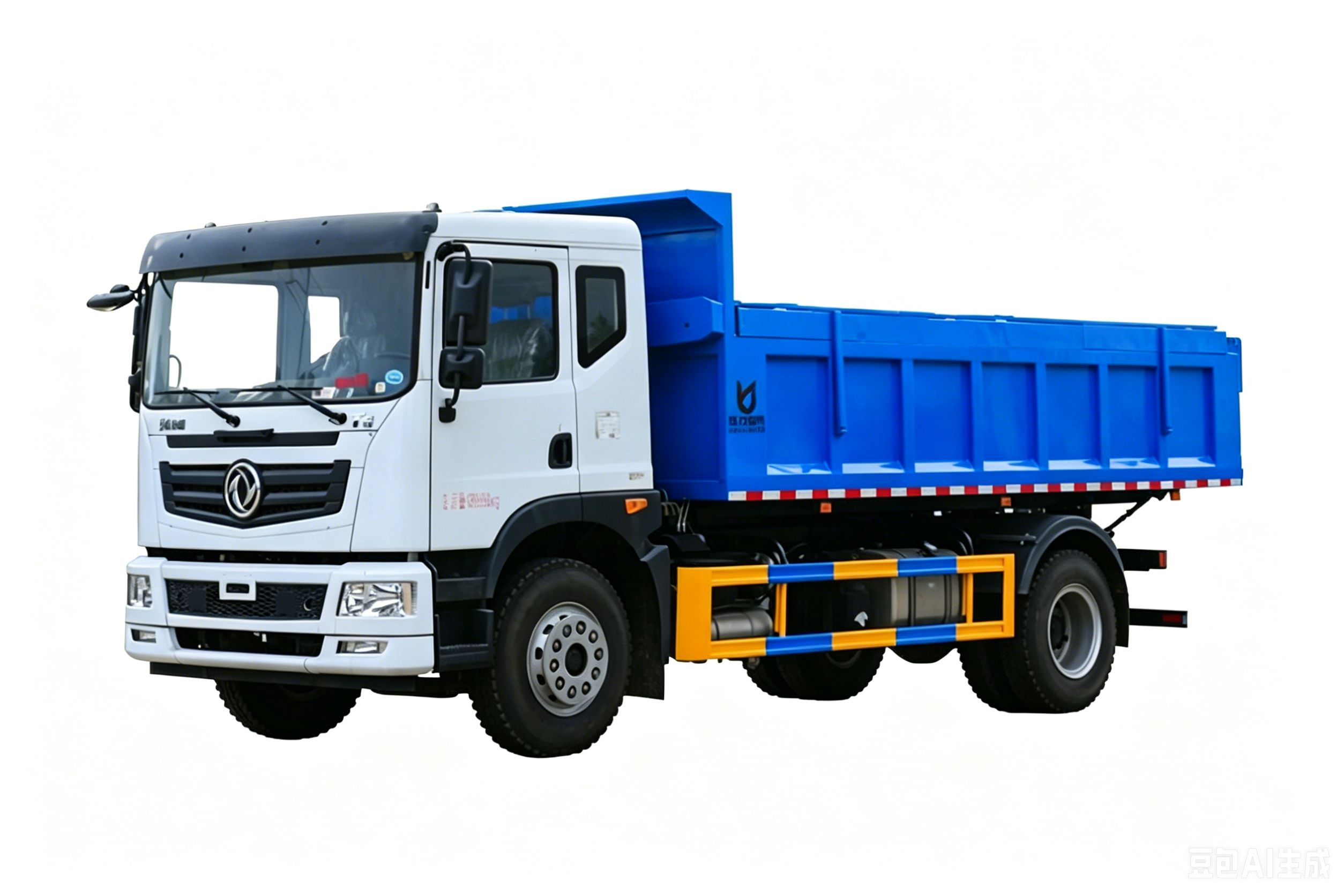
Daily: Check hydraulic oil level, inspect cylinder seals for leaks, test tailgate latch, and verify brake function.
Weekly: Grease all pivot points, check tire pressure, and inspect the dump body for cracks or deformation.
Monthly: Replace hydraulic filters, check PTO engagement, and inspect suspension components.
Annually: Overhaul the hydraulic system, replace worn hydraulic hoses, and inspect the chassis frame for stress cracks.
A bulk dump truck is an essential piece of equipment for any construction, mining, or infrastructure project. Understanding the working principle, structural components, and available types helps you choose the right truck for your specific needs. Regular maintenance ensures reliable performance and maximizes the return on your investment.
If you need guidance on selecting the best bulk dump truck for your project, contact our team of specialists at Kailion Group. We offer a complete range of dump trucks from 5 to 40 tons, with customized configurations for every application.
Contact: Meredith Luo
Phone: 8615792041643
Tel: 8615792041643
Email: kailiongroup@gmail.com
Add: Room 609, Yuanchuang International, Nanchang, Jiangxi, China